
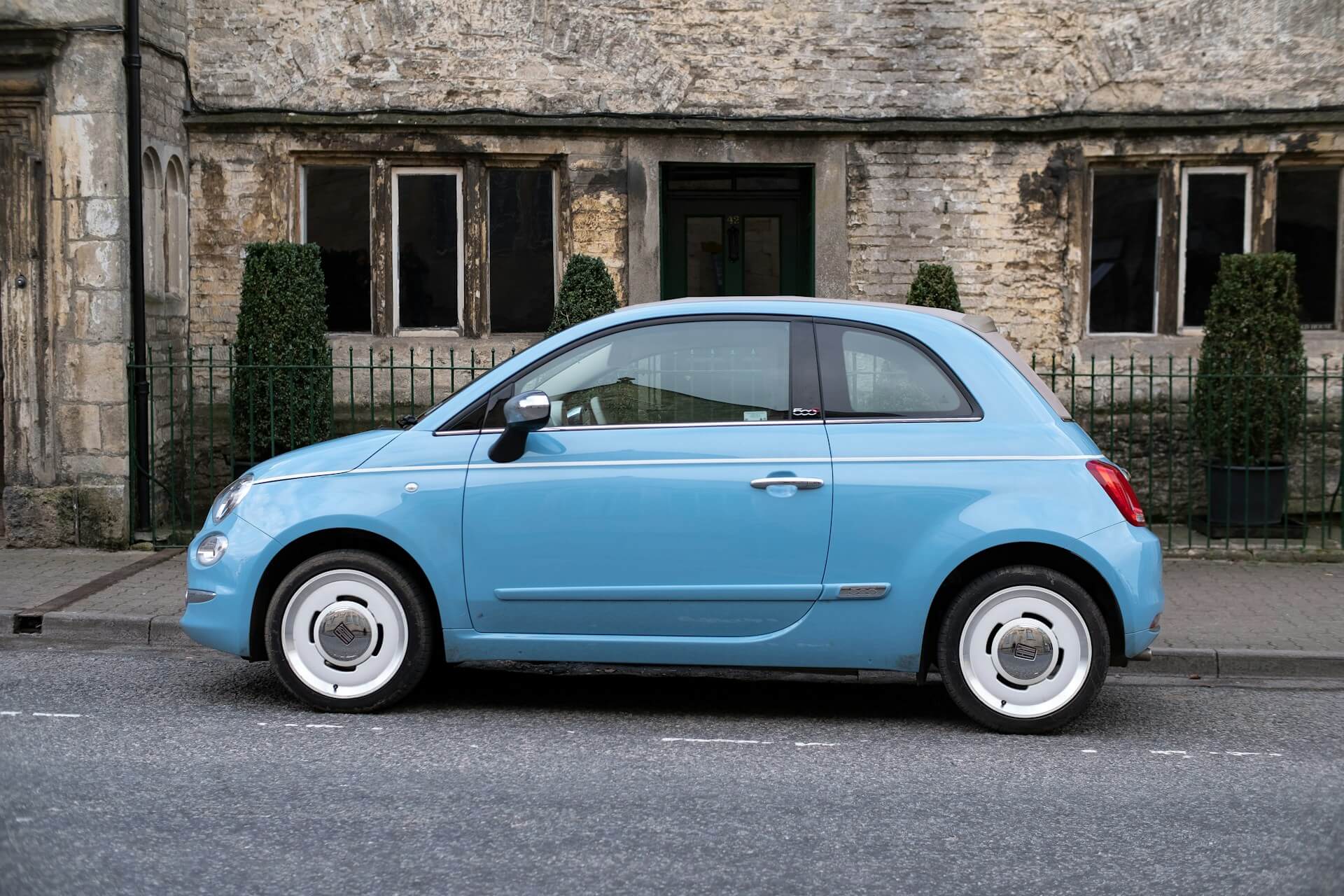
Having your car professionally remapped is one of the best upgrades you can make. Whether you’ve chosen a performance remap to unlock more power or an economy remap to improve fuel efficiency, you’ll almost certainly notice the difference as soon as you drive away. The engine feels more responsive, acceleration is stronger and the car is generally far more enjoyable to drive.
However, like any performance upgrade, looking after your vehicle properly afterwards is just as important as the remap itself. While a professionally developed ECU remap doesn’t dramatically change your maintenance routine, there are a few simple habits that will help keep your engine performing reliably for years to come.
At Remap Stockport, we’re often asked whether a remapped vehicle requires special servicing or additional maintenance. The good news is that it doesn’t, but following good maintenance practices becomes even more important when your engine is producing more power and torque than it did from the factory.
In this guide, we’ll explain how to maintain your car after a remap and the simple steps you can take to protect your investment.
Continue Servicing Your Vehicle on Time
The single most important thing you can do after having your car remapped is keep up with regular servicing.
Many engine problems blamed on remapping are actually caused by neglected maintenance. Old engine oil, blocked air filters, worn spark plugs or overdue fuel filters can all reduce performance and place unnecessary strain on the engine.
A professionally remapped vehicle still relies on clean oil, efficient filtration and properly functioning components. Following the manufacturer’s recommended service schedule is one of the best ways to ensure long-term reliability.
If you cover high annual mileages or drive enthusiastically, some owners choose to service their vehicles more frequently than the minimum recommended intervals.
Always Use Quality Engine Oil
Engine oil plays a vital role in protecting your engine.
It lubricates moving parts, reduces friction, removes heat and helps prevent premature wear. Because a remapped engine may produce more power and torque, using the correct grade of high-quality oil becomes even more important.
Always use oil that meets or exceeds the manufacturer’s specification and replace it at the recommended intervals. Skipping oil changes or using the wrong specification can have a much greater impact on reliability than the remap itself.
Allow the Engine to Warm Up Properly
One of the simplest ways to protect any engine is allowing it to reach normal operating temperature before using full performance.
When the engine is cold, the oil hasn’t yet reached its optimum operating viscosity and critical components such as the turbocharger haven’t fully warmed up. Driving gently during the first few miles allows oil to circulate properly and helps reduce unnecessary wear.
There’s no need to leave the vehicle idling on the driveway for long periods. Simply drive normally with light throttle until the engine reaches its normal operating temperature.
Let the Turbo Cool Down
If your vehicle has a turbocharger, allowing it to cool down after a hard drive is good practice.
After sustained motorway driving or enthusiastic use, the turbocharger can become extremely hot. Switching the engine off immediately stops oil circulation while residual heat remains trapped inside the turbo.
Allowing the engine to idle for a short period after heavy use helps stabilise temperatures before shutdown. During normal day-to-day driving, this usually isn’t necessary because the final few minutes of slower driving naturally allow the turbo to cool.
Use Good Quality Fuel
Fuel quality has a direct impact on engine performance.
While most professionally developed remaps are designed to operate on standard pump fuel where appropriate, using high-quality fuel from reputable filling stations helps maintain consistent performance and cleaner combustion.
For high-performance petrol vehicles, following the recommended octane rating is particularly important. Using lower-octane fuel than recommended may reduce performance and increase the likelihood of the ECU adjusting ignition timing to protect the engine.
If you’re unsure which fuel is most suitable for your vehicle after remapping, we’ll always be happy to advise.
Pay Attention to Warning Lights
A remap should never be used to hide existing mechanical problems.
If your engine management light, DPF warning or any other dashboard warning appears after the remap, it should be investigated in exactly the same way as it would on a standard vehicle. Ignoring warning lights can allow relatively minor issues to develop into much more expensive repairs.
Many faults are unrelated to the remap itself and are simply the result of normal wear and tear. Having them diagnosed early is almost always the most cost-effective solution.
Maintain the Cooling System
Your engine generates a significant amount of heat during normal operation.
A properly functioning cooling system is essential for maintaining safe operating temperatures, particularly during heavy acceleration, towing or long motorway journeys. Regularly checking coolant levels and ensuring the cooling system is serviced according to the manufacturer’s recommendations will help keep your engine performing efficiently.
If you notice rising engine temperatures or coolant loss, it’s important to have the issue investigated promptly.
Look After Your Air Filter
Your engine needs a steady supply of clean air to operate efficiently.
A dirty or blocked air filter restricts airflow, reducing both performance and fuel economy. Replacing the air filter during routine servicing helps ensure the engine continues receiving the airflow it needs to perform properly.
If your vehicle has been fitted with a performance intake system, make sure it’s cleaned and maintained according to the manufacturer’s recommendations.
Don’t Ignore Unusual Noises or Changes
Once your vehicle has been remapped, you’ll naturally become familiar with how it feels when it’s running properly.
If you notice unusual noises, excessive smoke, reduced performance or changes in fuel consumption, don’t simply assume they’re related to the remap. Engines develop faults over time regardless of whether they’re standard or modified, and identifying problems early often prevents more expensive repairs later.
Professional diagnostics can quickly identify whether the issue is mechanical, electrical or completely unrelated to the ECU calibration.
Drive the Car Regularly
Modern vehicles are designed to be driven.
Allowing a car to sit unused for extended periods can lead to battery problems, tyre flat spots and issues with components such as brakes or diesel emissions systems. Regular use helps keep everything operating as intended while allowing fluids to circulate throughout the engine and drivetrain.
For diesel vehicles in particular, occasional longer journeys help support normal DPF regeneration and reduce the likelihood of soot build-up.
Follow Good Driving Habits
One of the biggest factors affecting the lifespan of any vehicle is how it’s driven.
Smooth acceleration, sensible gear changes and allowing the engine to warm up properly all contribute to long-term reliability. Constantly using full throttle or repeatedly accelerating hard from a cold engine places unnecessary stress on components regardless of whether the vehicle has been remapped.
A professionally developed remap gives you more performance when you want it, but it doesn’t mean you need to use maximum power all the time.
Does a Remapped Car Need More Frequent Servicing?
Not necessarily.
If your vehicle is used in the same way as before, following the manufacturer’s service schedule is generally sufficient. However, drivers covering exceptionally high annual mileages, regularly towing heavy loads or driving enthusiastically may benefit from more frequent oil changes and inspections.
This isn’t because the remap is harmful. It’s simply good preventative maintenance for any vehicle that experiences increased workload.
Protect Your Investment
A professional ECU remap is an investment in your vehicle.
Looking after the engine, transmission and supporting components helps ensure you continue enjoying the benefits for many years. Simple maintenance habits cost very little but can significantly reduce the likelihood of unexpected repairs while preserving the performance improvements achieved through remapping.
Why Choose Remap Stockport?
At Remap Stockport, our commitment to your vehicle doesn’t end once the remap has been completed. We’re always happy to answer questions, provide aftercare advice and carry out diagnostic checks if you ever have concerns about your vehicle’s performance.
Every remap begins with a comprehensive health check, and every original ECU file is safely backed up before programming. By combining professional tuning with sensible maintenance advice, we help our customers enjoy reliable performance long after they leave our workshop.
Frequently Asked Questions
Do I need to service my car more often after a remap?
For most drivers, following the manufacturer’s recommended service schedule is perfectly adequate. If you drive hard or cover high annual mileages, more frequent oil changes can be beneficial.
Can I drive normally after a remap?
Yes. Once the remap has been completed, you can drive the vehicle as normal. Just continue following good driving habits and allow the engine to warm up before using full performance.
Does a remap reduce engine life?
A professionally developed remap on a healthy, well-maintained vehicle is designed to operate within safe limits. Regular servicing and sensible driving have a far greater influence on engine longevity than the remap itself.
Should I use premium fuel?
This depends on your vehicle and the calibration installed. Some high-performance petrol vehicles benefit from premium fuel, while many others perform perfectly on the manufacturer’s recommended grade.
What should I do if a warning light appears?
Have the vehicle diagnosed as soon as possible. Warning lights should never be ignored, regardless of whether the vehicle has been remapped.
Keep Your Remapped Car Performing at Its Best
A professional ECU remap can transform the way your vehicle drives, but maintaining those improvements comes down to good ownership. Regular servicing, quality fluids, sensible driving habits and addressing any issues early will help keep your engine reliable while allowing you to enjoy the benefits of your remap for years to come.
At Remap Stockport, we’re here to support you long after the tuning process is complete. Whether you have questions about servicing, need diagnostic advice or are considering future upgrades, our experienced team is always happy to help. Contact us today to learn more about maintaining your remapped vehicle and keeping it performing at its very best.
Get A Quick Quote
Please provide your contact details here, and we’ll get back to you shortly with a personalised quote.