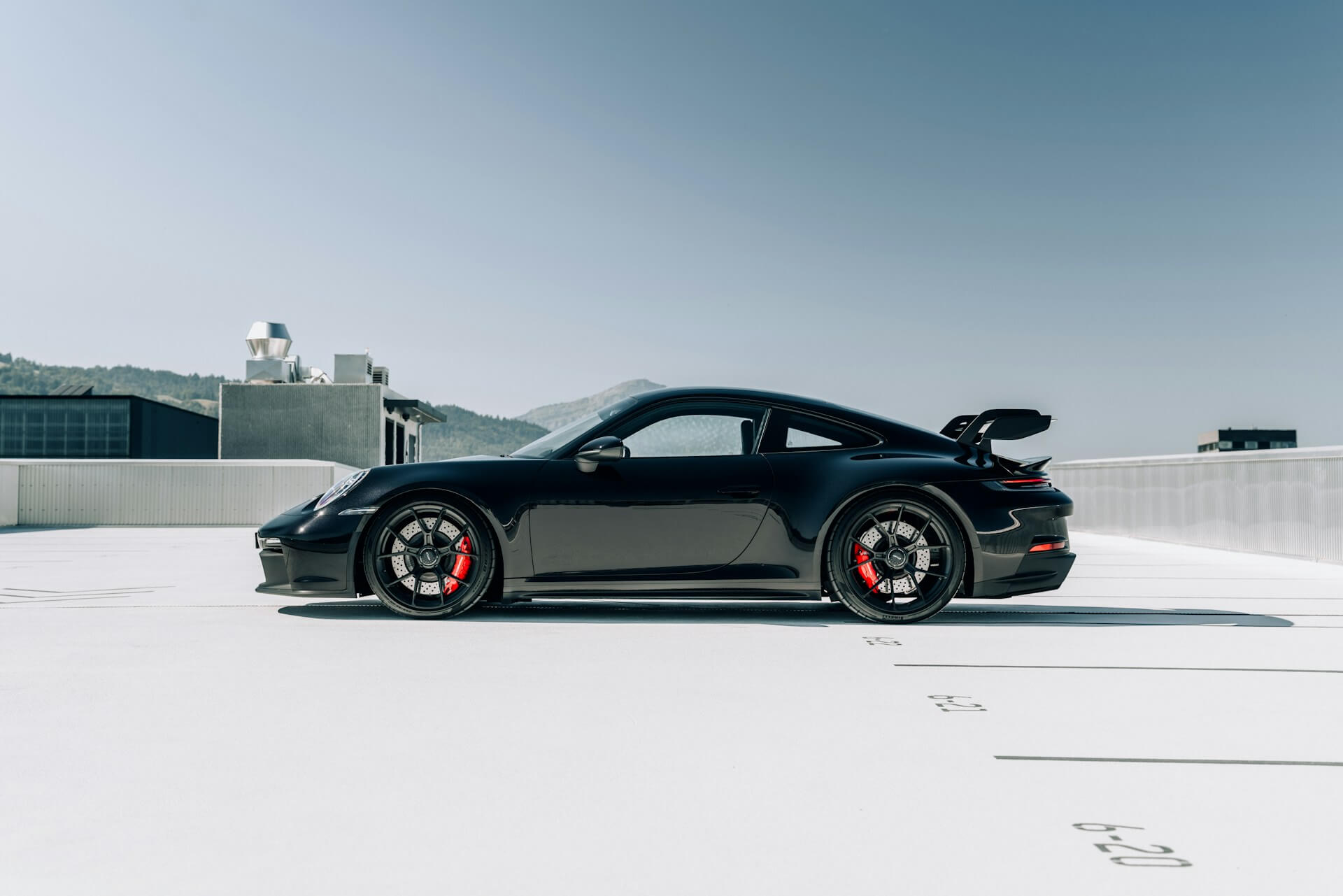

If you’re researching Stage 3 remaps in Stockport, you’re already thinking beyond the usual performance upgrades. This isn’t about squeezing a little more power from a standard engine—it’s about building a vehicle capable of producing performance levels far beyond what the manufacturer originally intended.
At Remap Stockport, we work with enthusiasts who want more than just an ECU remap. They want a bespoke calibration that has been developed around major hardware upgrades, allowing every component to work together safely and efficiently to produce exceptional performance.
A Stage 3 remap is the highest level of tuning for most road-going vehicles. It requires careful planning, quality components and an experienced tuner who understands not only software calibration but also the mechanical limitations of the engine, drivetrain and supporting systems.
In this guide, we’ll explain exactly what a Stage 3 remap involves, which upgrades are required, whether it’s suitable for everyday driving and why bespoke tuning is essential when building a high-performance vehicle.
What Is a Stage 3 Remap?
A Stage 3 remap is a completely bespoke ECU calibration designed specifically for vehicles that have undergone extensive hardware modifications. Unlike Stage 1 and Stage 2, there is no universal definition of Stage 3 across the tuning industry, but it generally refers to a custom calibration built around major engine upgrades rather than standard bolt-on modifications.
The ECU software is written specifically for the individual vehicle, taking into account every modification fitted to the engine. Because no two Stage 3 builds are exactly the same, there is no generic software file that can safely deliver the best results.
How Is Stage 3 Different From Stage 2?
The biggest difference is the scale of the hardware modifications involved. While Stage 2 usually retains the factory turbocharger and focuses on improving airflow, Stage 3 typically introduces a significantly larger or hybrid turbocharger, major fuel system upgrades and, in many cases, strengthened engine components.
At this point, the ECU calibration becomes far more complex than simply increasing boost pressure or adjusting fuelling. Every aspect of the engine management system must be developed around the specific characteristics of the upgraded hardware to achieve maximum performance safely.
What Hardware Is Usually Required?
Every Stage 3 build is different, but there are several upgrades that are commonly required before custom tuning can begin. The exact specification depends entirely on the engine platform and your performance goals.
Hybrid or Larger Turbocharger
For most Stage 3 builds, the factory turbocharger becomes the biggest restriction. Replacing it with a larger or hybrid turbo allows the engine to move substantially more air, creating the potential for much higher horsepower figures.
A larger turbo also changes how the engine behaves, which is why a completely bespoke ECU calibration is essential. Simply installing the hardware without the correct software would prevent the engine from operating safely or efficiently.
Upgraded Fuel System
As power increases, the factory injectors and fuel pumps often become incapable of supplying enough fuel. Larger injectors, upgraded high-pressure fuel pumps and supporting fuel system modifications ensure the engine receives the correct amount of fuel under heavy load.
Maintaining precise air-to-fuel ratios becomes increasingly important at higher power levels. This is one of the key reasons why professional tuning is critical for Stage 3 vehicles.
Performance Intercooler
Compressing more air inevitably creates more heat, making an upgraded intercooler an essential part of most Stage 3 builds. Cooler intake temperatures improve performance consistency while also helping to protect the engine during sustained high-load driving.
Without sufficient cooling, the ECU may reduce performance to protect the engine. A larger intercooler helps minimise this effect and allows the vehicle to perform consistently.
High-Flow Exhaust System
Reducing exhaust restriction helps the larger turbocharger operate more efficiently. High-flow downpipes and performance exhaust systems allow exhaust gases to escape more easily, improving turbo response and supporting higher power outputs.
The exact exhaust configuration depends on the vehicle and intended use. Some owners prioritise outright performance, while others prefer a balance between power and everyday refinement.
Strengthened Engine Components
At higher power levels, many engines require forged pistons, forged connecting rods or upgraded internal components. These parts are designed to withstand significantly greater cylinder pressures than standard factory components.
Not every Stage 3 build requires internal engine modifications, but they become increasingly important as power targets rise. Choosing the correct components helps ensure long-term reliability alongside increased performance.
How Much Power Can a Stage 3 Remap Produce?
The honest answer is that it depends entirely on the vehicle and its hardware specification. Unlike Stage 1 or Stage 2, there are no typical power figures because every Stage 3 build is unique.
Some vehicles may gain an additional 100 horsepower over Stage 2, while others can achieve increases of several hundred horsepower with extensive modifications. At this level, the limiting factors are usually turbocharger size, fuel system capacity and the strength of the engine itself rather than the ECU software.
Is a Stage 3 Remap Safe?
A professionally developed Stage 3 remap can be perfectly safe when it’s supported by the correct hardware and developed specifically for the vehicle. The software should always be matched to the exact components installed rather than copied from another build.
Problems usually arise when generic files are installed on heavily modified vehicles without proper testing or calibration. At this level of tuning, there is no substitute for bespoke software developed around your individual setup.
Is Stage 3 Suitable for Daily Driving?
The answer depends on how the vehicle has been built and what you expect from it. Some Stage 3 cars remain surprisingly comfortable and civilised for everyday use, while others are designed primarily for track days, drag racing or other high-performance applications.
Larger turbochargers may introduce increased turbo lag, firmer clutches can make stop-start traffic less enjoyable and performance-focused suspension may reduce ride comfort. It’s important to be realistic about how you intend to use the vehicle before committing to a Stage 3 build.
Does Reliability Suffer?
Any increase in performance places additional stress on mechanical components. However, a well-planned Stage 3 build that uses quality parts and professional calibration can still offer excellent reliability when maintained correctly.
Routine servicing becomes even more important as performance levels increase. High-quality engine oil, regular inspections and preventative maintenance all play a significant role in protecting your investment.
Do You Need a Gearbox Upgrade?
In many cases, yes. Modern engines can often produce significantly more torque than the factory clutch or gearbox was originally designed to handle.
Manual vehicles frequently require upgraded clutches, while automatic transmissions may benefit from gearbox software calibration or strengthened internal components. Ignoring drivetrain limitations can quickly become the weakest link in a high-performance build.
Why Bespoke ECU Calibration Matters
One of the biggest misconceptions surrounding Stage 3 tuning is that a generic “Stage 3 file” can simply be installed onto any modified vehicle. In reality, no two Stage 3 builds are identical, which is why custom calibration is considered essential by experienced tuners.
Variables such as turbocharger specification, injector size, intercooler efficiency, fuel quality and exhaust design all influence how the ECU should be calibrated. A bespoke remap ensures every component works together safely while delivering the strongest possible performance.
Who Is Stage 3 Really For?
Stage 3 isn’t designed for every driver, and that’s perfectly fine. If you’re simply looking for a noticeable improvement over standard, Stage 1 or Stage 2 will often provide everything you need while retaining near-factory refinement.
Stage 3 is aimed at enthusiasts who want to push their vehicle much further. Whether you’re building a fast-road car, a dedicated track machine or a high-powered weekend toy, Stage 3 offers the flexibility to create something truly unique.
Why Drivers Choose Remap Stockport
Building a successful Stage 3 vehicle requires far more than installing performance parts. It demands careful planning, quality workmanship and a bespoke ECU calibration that has been developed specifically for your vehicle rather than copied from another build.
At Remap Stockport, we take the time to understand your goals before recommending any modifications. Whether you’re planning your first performance build or upgrading an existing project, we focus on creating balanced, reliable vehicles that deliver exceptional performance without unnecessary compromises.
Every Stage 3 remap we develop is written around the exact hardware fitted to the vehicle. That bespoke approach allows us to maximise performance while maintaining the drivability, safety and reliability that every high-performance build deserves.
Frequently Asked Questions
Can I skip Stage 1 and Stage 2?
Yes, many enthusiasts build directly to Stage 3. However, the required hardware must already be installed before a bespoke ECU calibration can be developed.
Is Stage 3 road legal?
The legality of a Stage 3 build depends on the modifications fitted and local regulations. Certain exhaust or emissions-related modifications may affect road legality, so it’s important to discuss your plans before beginning the build.
Will I need premium fuel?
Most Stage 3 petrol builds are calibrated for high-octane premium fuel, with some extreme builds requiring specialist race fuels or ethanol blends. Using the correct fuel is essential for both performance and engine protection.
Is Stage 3 worth it?
For dedicated enthusiasts, absolutely. If you’re chasing the highest possible performance from your platform, Stage 3 provides a level of power and excitement that simply isn’t achievable with software alone.
Book Your Stage 3 Remap in Stockport
If you’re planning a serious performance build and want a bespoke Stage 3 remap in Stockport, choosing an experienced tuner is one of the most important decisions you’ll make. At this level, every component matters, and the ECU calibration must be developed specifically for your vehicle rather than treated as a generic upgrade.
At Remap Stockport, we specialise in bespoke performance tuning designed around your exact hardware specification and driving goals. Whether you’re building a fast-road car or an all-out performance machine, get in touch today to discuss your project and discover how a professionally developed Stage 3 remap can help unlock your vehicle’s full potential.
Get A Quick Quote
Please provide your contact details here, and we’ll get back to you shortly with a personalised quote.